 Saara
Saara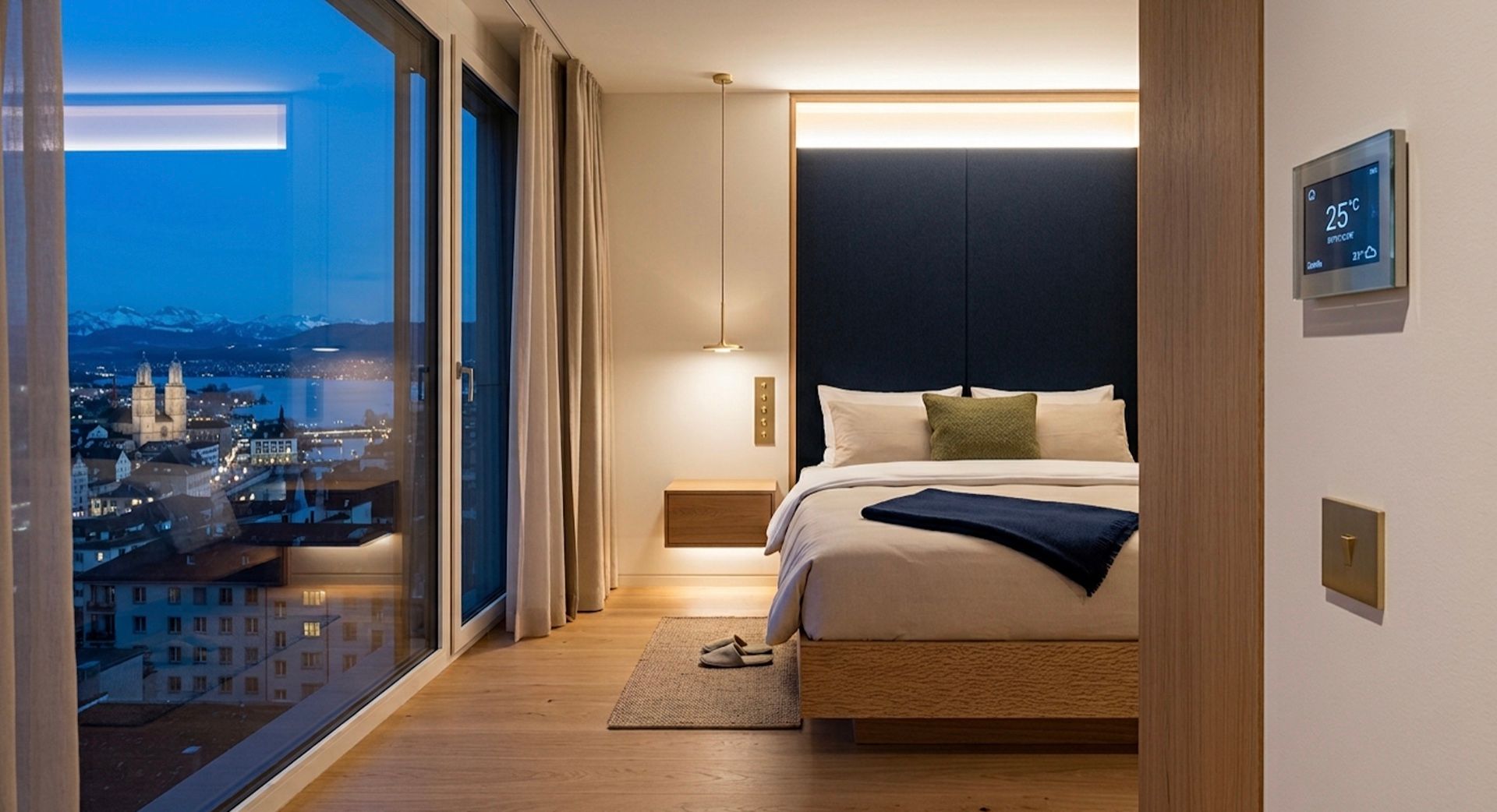
On this page
I recently stayed at a hotel that had so much potential but didn’t live up to it.
A check-in that did not let me in
There was no reception, just a QR-code check-in system. The idea was that you scan the code, fill in a few details, the system finds your reservation, and it sends you your room number and door code by SMS.
It didn’t work. The page said «error» and no code was sent. I stood outside the hotel at night, wondering: now what? After searching for numbers and calling around, I met another hotel guest with the same issue. She had managed to get a WhatsApp number for a receptionist, and we both finally got our codes.
I didn’t feel welcome, I didn’t feel safe, and I was frustrated that I had lost an hour trying to get into a hotel I had already paid for.
I completely understand why this hotel wanted to remove the reception and go for smart locks. But when a smart lock isn’t smart, it ruins the whole experience. Technology should obviously take friction away, not add it.
A thermostat locked at 25 °C
Well then, I got into the room. It was fresh and new, and I settled in. Until I started to feel it was too warm.
The thermostat on the wall showed 25 °C. I tried to adjust it, but it was locked. I thought I’d be clever and look up in the manual how to unlock it. No luck: it had been locked by the administrator. There was no way for me to change it.
Geeky as I am, I started wondering what every degree costs the hotel. I’ll spare you the details (though I hope you’ll ask, because I’d love to show you my calculations on occupancy, guest behaviour and energy prices). The short version: each degree costs a 50-room hotel in Zürich roughly €1,000 a year. Letting guests set the temperature themselves, between 19 and 24 °C, would save between €2,000 and €4,000 a year, depending on the default setting.
So locking the thermostat at 25 °C doesn’t save money. It costs money, and makes guests less comfortable.
A light that would not go off
After I’d finished my calculations, I turned off the lights and tried to fall asleep. Oh no. A bright light filled the room. One of the luminaires didn’t turn off. The «all off» scene by the bed didn’t actually send an off command to that luminaire. It dimmed it to its minimum level. Minimum level doesn’t sound that bad, but it felt like a flashlight straight in my face. There was no separate switch or app. No way to turn it off. In the end, I solved it the analogue way: my black jeans over the luminaire.
Three systems, one night
Three «smart» systems in one night: the door, the thermostat and the lights. Did they fail because of bad technology? Because they were badly commissioned? Or because they were not planned properly to begin with?
This is what we think about every day at Atios. For us, a smart hotel is one where the hotel can cut costs while guests still feel safe and welcome, where guests are in control of their own comfort, and where there is real comfort to offer in the first place.
If you would like to see those calculations, or talk about what this could look like in your own hotel, write to support@atios.ch.
Continue reading
How to Make Your Home Feel Expensive (Without Spending a Fortune)
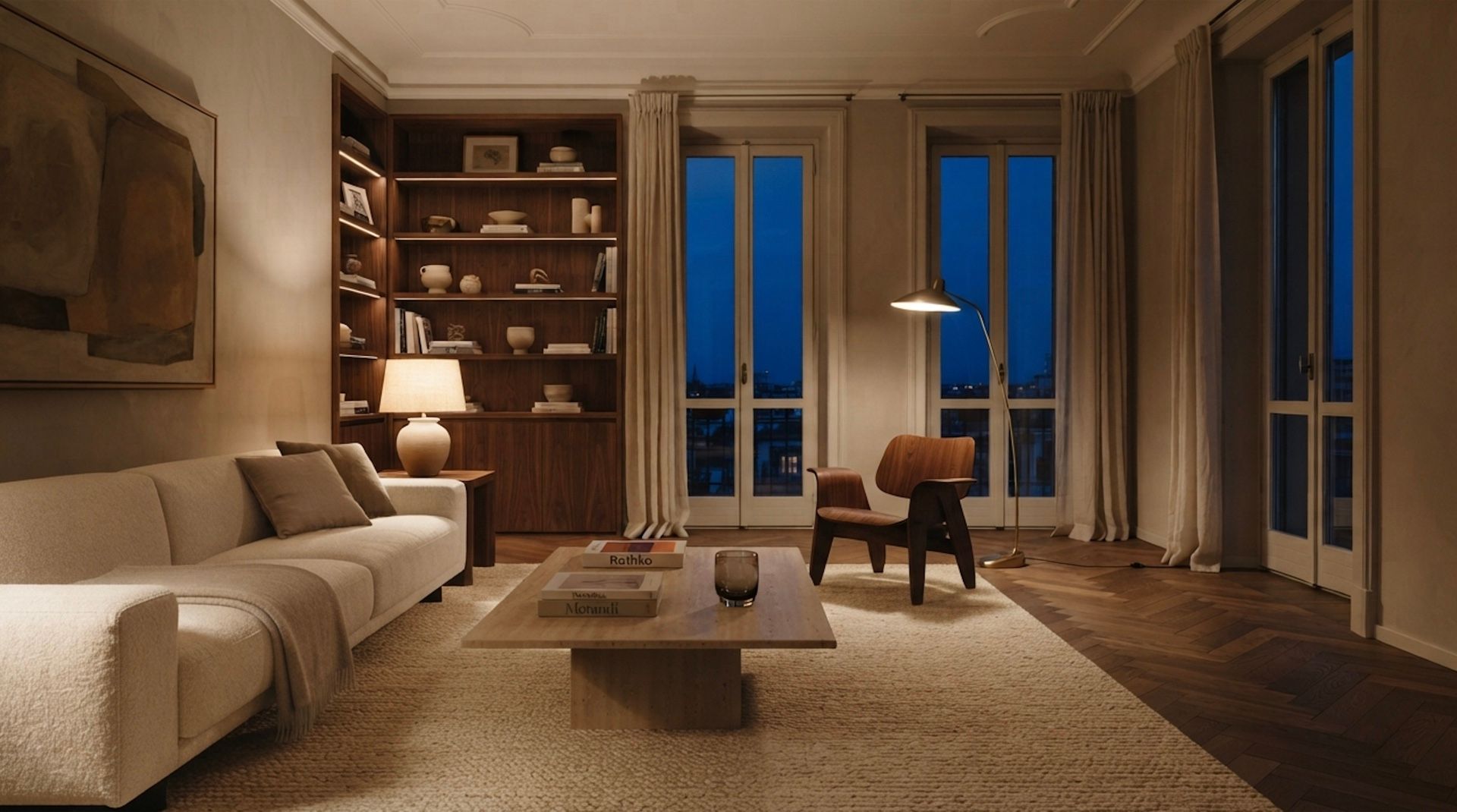
The two things you feel first when you walk in are light and temperature, and neither one needs a big budget.
Your design switch deserves to be smart
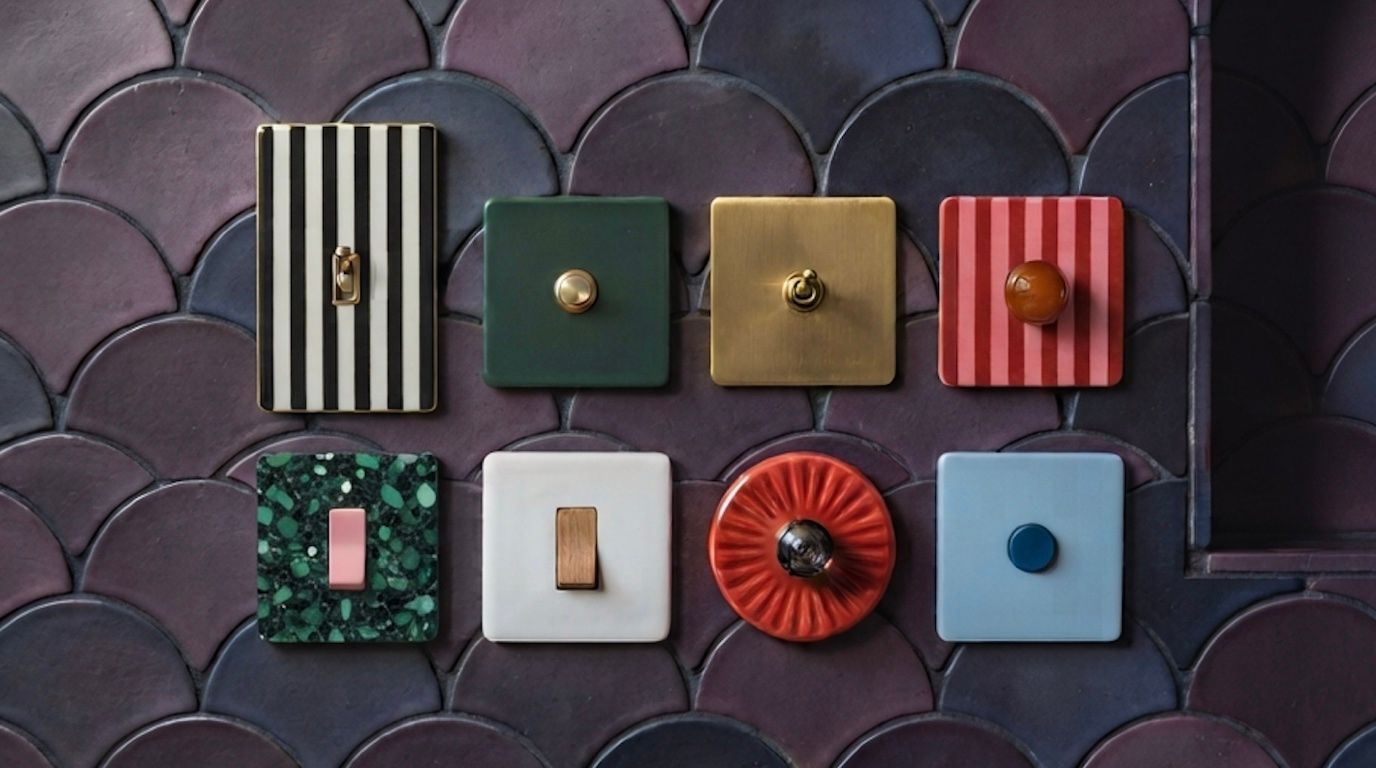
Keep the beautiful light switch you chose, and make it work with Apple Home, Google Home and the rest of your smart home.
DALI doesn’t speak Siri. We fixed that.
Professional DALI lighting and decorative luminaires, in the same app, the same scene and the same voice command.